

Consistency Is Leadership: Why Nigeria Needs Principle Over Politics
By khaleed yazeed
When public figures suddenly rediscover the language of “dialogue” and “peace,” Nigerians are right to ask a simple question: where was this energy yesterday?
If dialogue is the solution today, it should have been the solution under every administration. Principles are not seasonal. They are not activated or deactivated depending on who occupies Aso Rock. True leadership is measured not by who you align with, but by whether your position remains steady when power shifts.

This is precisely where the contrast in Nigeria’s political space becomes clear.
The Politics of Convenience vs. The Politics of Consistency
For years, Nigeria has suffered from a dangerous culture of selective outrage. When one government acts, it is tyranny. When another acts, it is “strategy.” When one leader speaks, it is boldness. When another speaks, it is divisive.
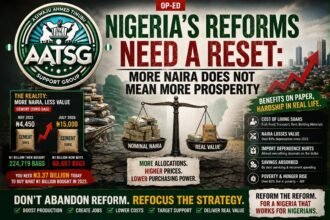
The Tinubu government often celebrates macroeconomic statistics—GDP adjustments, exchange rate reforms, subsidy removal—as signs of courage and transformation. Yet for millions of Nigerians, inflation bites harder than statistics comfort. Food prices rise faster than policy explanations. Youth unemployment persists despite reform rhetoric.
Economic reforms without social cushioning feel less like strategy and more like shock therapy imposed on a fragile population.
Meanwhile, the call for dialogue in national conflicts must be rooted in sincerity, not political alignment. Peace is not credible when it is selective. It is not powerful when it appears convenient.
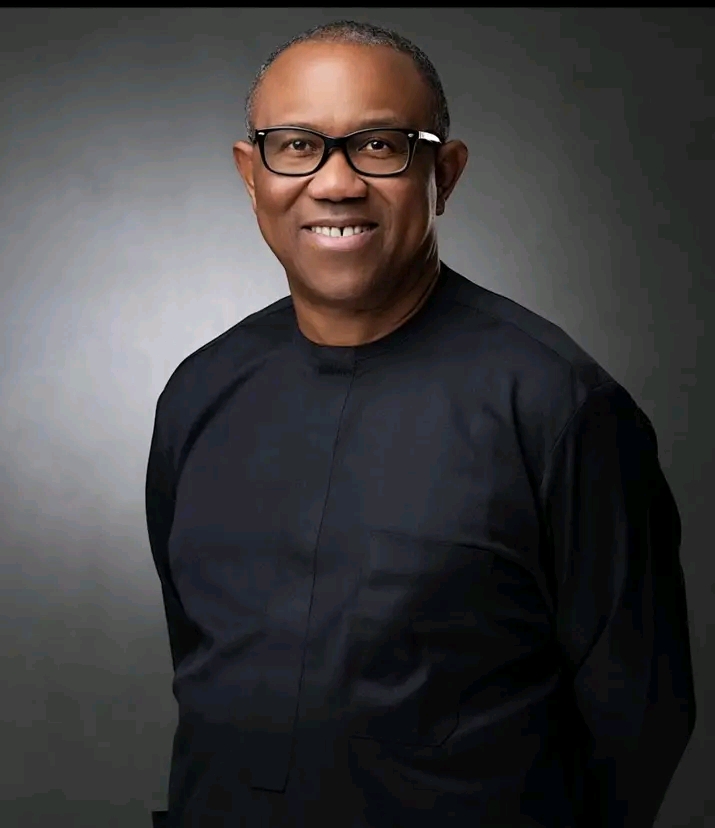
Why Peter Obi’s Approach Resonates
Peter Obi’s political strength has never been loud theatrics. It has been a consistent message centered on production, fiscal discipline, institutional reform, and measurable governance outcomes.
While others frame politics as entitlement or rotation, Obi frames it as competence and accountability. While others trade in political inheritance, he speaks in the language of economic restructuring and productivity.
In a nation battling human capital deficits, poor education outcomes, weak healthcare systems, and stagnant skill development, what Nigeria needs is not political choreography. It needs disciplined, transparent governance focused on measurable results.
The World Bank’s recent human capital analysis highlights a sobering reality: without investment in nutrition, education, and skills, Nigeria’s future earnings potential remains crippled. No amount of political symbolism fixes that. Only sustained, deliberate policy does.
The Real Question for 2027
The issue is not tribe. The issue is not sentiment. The issue is not personality.
The issue is: who has demonstrated consistency? Who has shown fiscal prudence? Who understands that development is built in classrooms, hospitals, and factories, not just in press conferences?
If dialogue is the new mantra, let it be universal. If reform is the goal, let it be humane. If leadership is the standard, let it be consistent.
Nigeria deserves more than shifting narratives. It deserves principled governance.
And in that conversation, consistency will matter more than convenience.