


By Dr S E O OGBONMWAN MMED, FMCOG, FRCOG.
I am pleased to be back in Dublin after my trip here in January and thank you for your kind invitation. When you happen to be the last speaker in an International Event like this and all your carefully rehearsed points have been discussed, you have to think on your feet to bring into the discourse what will keep the audience in their seat for another crucial forty five minutes.
During this discussion, we shall look at the importance of water, its distribution, water scarcity, uses of water, water pollution, maintaining the world ecosystem, the impact of dams and deforestation and the power inherent in water.
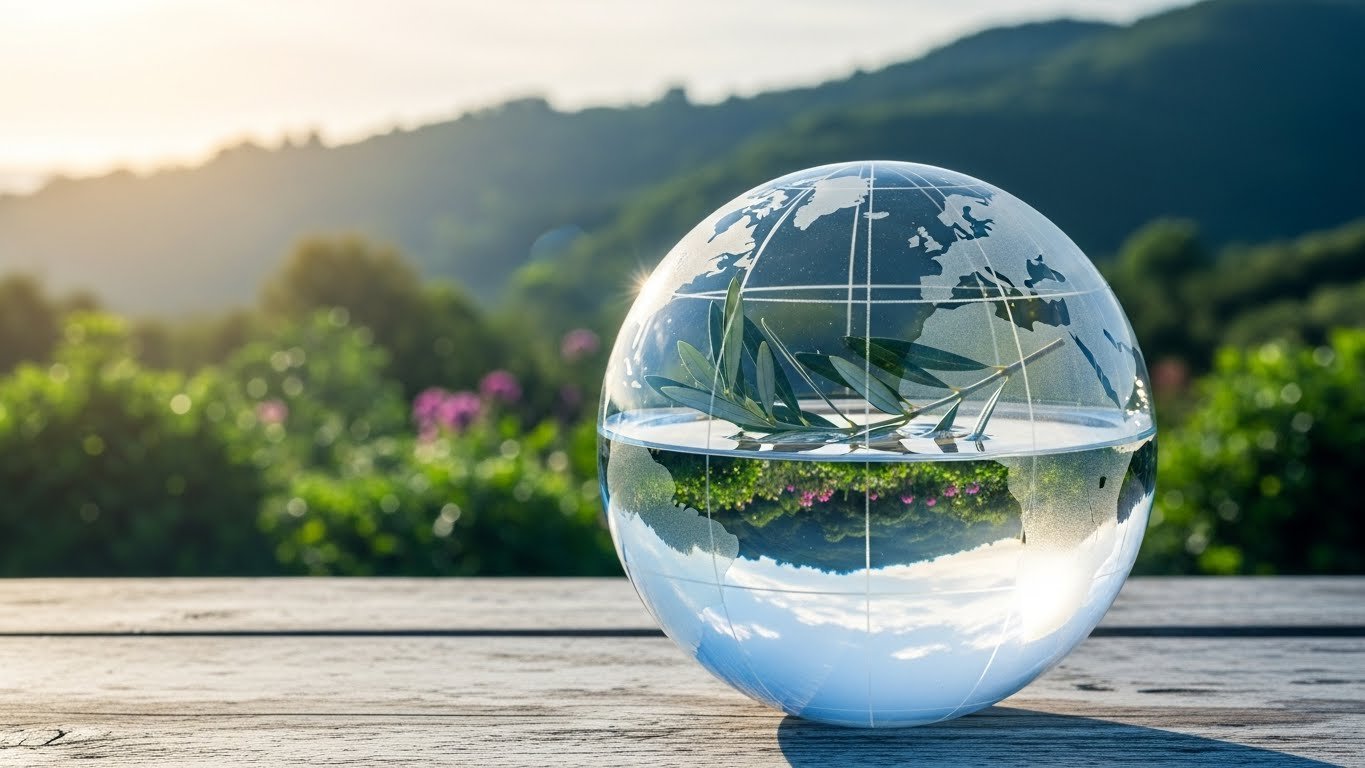
Water, water, water everywhere but there is no water to drink. We are surrounded by water in the atmosphere as vapour, in ourselves accounting for about 62 -70% of the human body depending on the age of the individual and water covers about 71% of the earth surface but only 3% of all that water is fresh water fit for human consumption, the rest of the water is salt water which is unsuitable for human physiology.
Only 1% of the total water resources on earth are available for human use. While 70% of the world’s surface is covered by water, 97.5% of that is salt water. Of the remaining 2.5% that is fresh water, almost 68.7% is frozen in ice caps and glaciers and Canada controls about 20% of the earth’s fresh water. Up to 30% of fresh water supplies are lost due to leakage in developed countries, and in some major cities, losses can run as high as 40% to 70%.
Water is a universal solvent and it is involved in almost all chemical body reactions and in my village we say water has no enemy as it is a necessity for human, plant and animal life. Fresh water availability is tied to the ecosystem and we shall develop this further during the course of this discussion.
We take water for granted, we waste it, and we even pay too much to drink it from little plastic bottles.
Today, nearly 1 billion people in the developing world don’t have access to safe and clean water
There is no doubt that clean, safe drinking water is scarce. It is the foundation of life, a basic human need. Yet today, all around the world, far too many people spend their entire day searching for it.
The importance of access to clean water cannot be overstated.
Water is one of the most vital natural resources for all life on Earth. The availability and quality of water always have played an important part in determining not only where people can live, but also their quality of life hence civilisation started between the River Tigris and Euphrates in Mesopotamia. London was founded on the River Thames as Dublin is founded on The Liffey (An Life in Irish) which flows through the centre of Dublin and with its tributaries the river supplies much of Dublin’s water, and a range of recreational opportunities.The Tigris River was known by the Hebrews as “Hiddekel” and is one of the two large rivers of Mesopotamia, which the Bible says, flowed from the Garden of Eden (Gen 2:14).
Even though there always has been plenty of fresh water on Earth, water has not always been available when and where it is needed, nor is it always of suitable quality for all uses. Water must be considered as a finite resource that has limits and boundaries to its availability and suitability for use.
Water makes up 50 to 70 per cent of an adult’s total body weight and, without regular top-ups; our body’s survival time is limited to a matter of days.
Water’s essential for the body’s growth and maintenance, as it’s involved in a number of processes. For example, it helps get rid of waste and regulates temperature, and it provides a medium for biological reactions to occur in the body.
Water’s lost from the body through urine and sweat, and must be replaced through the diet. If you don’t consume enough you can become dehydrated, causing symptoms such as headaches, tiredness and loss of concentration. Chronic dehydration can contribute to a number of health problems such as constipation and kidney stones.
Inadequate amount of water can cause low blood pressure and fainting attacks and collapse, constipation, muscle cramps and generalised body weakness therefore we should be water smart to avoid its lack consequences.
Water lack is also associated with increased maternal morbidity and mortality, increased, neonatal sepsis and fatality, and very high infant mortality from water borne disease like cholera, typhoid fever, diarrhoea and dysentery from poor sanitation from water lack.
Water Scarcity
Simply put, water scarcity is either the lack of enough water (quantity) or lack of access to safe water (quality).
It’s hard for most of us to imagine that clean, safe water is not something that can be taken for granted. But, in the developing world, finding a reliable source of safe water is often time consuming and expensive. This is known as economic scarcity. Water can be found, it simply requires more resources to do so and distribute it effectively.
Economic water scarcity is by far the most disturbing form of water scarcity because it is almost entirely a lack of compassion and good governance that allows the condition to persist. Economic water scarcity exists when a population does not have the necessary monetary means to utilize an adequate source of water. Economic water scarcity is about an unequal distribution of resources for many reasons, including political and ethnic conflict. Much of sub-Saharan Africa suffers under the effects of this type of water scarcity.
Without any question economic water scarcity is an issue that can and should be addressed quickly and effectively to reduce human suffering. The key goal should be to provide the means necessary for communities suffering from it to find relief. Access to clean water can be as simple as building small dams to catch rain water, or rain collection systems to collect rain from rooftops. It simply takes some money, a bit of engineering and some local construction efforts.
In other areas in the arid north, the lack of water is a more profound problem. There simply isn’t enough. That is known as physical scarcity. Physical water scarcity is what it sounds like where access to water is limited. When the demand outstrips the lands ability to provide the needed water you have physical scarcity. For the most part, dry parts of the world or arid regions are most often associated with physical scarcity. However, there are an increasing number of regions in the world where physical scarcity is a man-made condition. The Colorado River basin in the United States is an excellent example of a seemingly abundant source of water being overused and over managed, leading to very serious physical water scarcity downstream.
The problem of water scarcity is a growing one. As more people put ever increasing demands on limited supplies, the cost and effort to build or even maintain access to water will increase. This problem is becoming more acute in urban dwellers. With increase in urbanisation, rural to urban drift due to job opportunities in urban centres, shortage of water will increasingly become more acute. The fall of this scarcity is water’s importance to political and social stability and this will only grow with the crisis in time.
The lack of clean water is the root cause of many Human problems:
- At any one time, half of the world’s hospital beds are occupied by patients suffering from water-borne diseases.
- Over one-third of the world’s population has no access to sanitation facilities.
- In developing countries, about 80% of illnesses are linked to poor water and sanitation conditions.
- 1 out of every 4 deaths under the age of 5 worldwide is due to a water-related disease.
- In developing countries, it is common for water collectors, usually women and girls, to have to walk several kilo meters every day to fetch water. Once filled, pots and jerry cans weigh as much as 20kg (44lbs) which they have to carry back home by trekking long distances..
Worldwide water is predominantly utilized for corporate consumption and less than 1% of available water from fresh water sources such as snow caps or glaciers, according to the Centre for Disease Control, over 1 billion people are currently forced to use water from hazardous resources for cooking, bathing and consumption. Approximately half of this vulnerable population are children living in developing countries of the world.
Searching for potable water sources is a daily chore for over 2 billion women and children across the globe, which spends many hours each day hauling water from pumps and basins to their homes. In what is sometimes described as a “six hour journey,” this population, predominantly girls, spend their day fetching water instead of attending school or playing with siblings or friends.
Not only does the work of transporting water inhibit a child’s ability to access education, but it is also “back-breaking” work. With endless household chores such as caring for livestock, siblings, washing, cooking, cleaning and storing, the need for obtaining water never ends, from morning to night, every day.
Lack of sanitation and clean water often means that girls who are fortunate to be in school must often stop their education at puberty because of lack of proper resources during menstruation. Lack of sanitary facilities in schools for this purpose, and lack of any sanitary facilities along water ways means that children expose themselves to human waste on a daily basis, whether relieving themselves while travelling or wading in waters with high coli form levels.
Nonetheless, disease, lack of education and deformities are not the only risk of fetching water for these children, and something infinitely horrifying often awaits especially young girls along miles-long travel, which journey is typically alone and without adult accompaniment or any means of defence. Aside from risk of attack by vicious animals such as crocodile and large cats that live along the water route, children are often assaulted, raped and abducted.
The United Nations, UNICEF and many secular and non-secular public/private partnerships, such as international NGOs and private missionaries, are annually working to help combat issues of gender and age inequality. They are striving to hear the voices of these children responsible for collecting water through programs such as the UN Millennium Goals and the UNICEF Tap Project. In addition, CARE’s campaign, has a water component aimed at teaching girls at the grassroots level about hygiene and safe water practices, which also promotes the creation of sanitation facilities for young women when they reach puberty.
Finally, water scarcity goes beyond a “simple” quest for clean water and exposes the unjustifiable conditions in which children across the globe live daily, with slow-evolving, sustainable solutions still too far behind their fate.
Water pollution
There are many man made water pollution activities like sewage and waste flow into rivers, and seas, marine dumping, dumping of industrial and radioactive waste, oil pollution and storage of hazardous substances leakages, atmospheric deposition that subsequently condense into our fresh water supplies, global warming and eutrophication which is a process where water bodies receive excess nutrients that stimulate excessive plant growth in sources of water supply.
About 90% of sewage and 70% of industrial wastes in developing countries are discharged into water courses without treatment, often polluting the usable water supply and marine life which is later caught for human consumption.
Oil spillage alone has created problems for man and marine life altering the ecosystem. From the March 1967spillage of Torrey Canyon ran aground spilling 38 million gallons of crude oil off the Scilly Islands to the 2010 April 24, Gulf of Mexico spillage involving : The Deepwater Horizon, a semi-submersible drilling rig, sank on April 22, after an April 20th explosion on the vessel.
Eleven people died in the blast. When the rig sank, the riser—the 5,000-foot-long pipe that connects the wellhead to the rig—became detached and began leaking oil. In addition, U.S. Coast Guard investigators discovered a leak in the wellhead itself. As much as 60,000 barrels of oil per day were leaking into the water, threatening wildlife along the Louisiana Coast. Oil reached the Louisiana shore on April 30, affected about 125 miles of coast line. By early June 2010, oil had also reached Florida, Alabama, and Mississippi. It is the largest oil spill in U.S. history.
Oil spillage usually is due to accidents and accidents are unavoidable. What is avoidable is the reckless ways prospective oil companies prospect for oil and subsequently drill oil in places like the Niger Delta of Nigeria without due care to the environment, human and marine lives that are permanently displaced. Oil pollution in this region deprive indigenes of historical way of life, historical occupation of farming and fishing which leads to abandonment of historical and ancestral homes to support life and family. When this not possible without government or oil companies intervention, these inhabitants take up arms as militants getting involved in kidnapping, armed robberies and other vices like prostitution and human trafficking. The oil giants and national government do not bother about those displaced, those rendered homeless and those whose means of livelihood have been permanently destroyed while the directors of these companies laugh on their way to the bank soaking in luxurious lifestyle whilst those displaced die before their time. This needs redressing.
Deforestation can also create water supply instability due to effect of rain water on top soil and subsequent gully erosions and mudslides and their consequences as occurred recently in Brazil in 2010 where about 200 people were feared dead in mudslides near Rio de Janeiro, adding to woes in massive flooding that killed more than 250 people. Excessive logging without afforestation programme alter ecosystem and water supply leading to gully erosion as in Edo and Anambra States of Nigeria and mudslides after flooding where human habitation is buried as in Rio de Janeiro in Brazil.
The effect of logging for exports and oil prospecting in developing world alter man-ecosystem equilibrium which lead to migration from the southern hemispheres to the northern hemispheres and the serous attendant problems for immigrants especially in Europe where detention without trial are common place without recourse to Geneva Convention in some of the countries. In the Word of God, the earth is the Lord’s for He founded it upon the seas and the floods and as His children we should obtain of the fullness thereof wherever we find ourselves. If you are an immigrant anywhere due to migration as a result of the alteration in the ecosystem in your neck of the woods, you should feel at home and feel a part of the nation where ever you find yourself. To avoid water wars, we should avoid discrimination, racism, racial bigotry and stereotyping in exchange for a better world.
We should care for this world as we care for ourselves without polluting it excessively due to our greed as we have no other world. If we care for it, the world will sustain us and the converse is also true. We should avoid the problem of over population to reduce the pressure on its resources especially water by using the available methods of birth control without resulting to abortions.
We should facilitate integration of the world nations and put to the dustbin of history words like third world countries because there is only one world where a part of it is advanced technologically and the other part is also developing technologically but gradually.
Recommendations
We need peace because it is only in the presence of peace we can have human progress. It is only love which gives peace as a by product that can rule the world. Hate and greed destroys. Mankind can do without terrorists’ attacks and money spent in combating terrorism can alleviate human suffering if only we consider other human beings in our daily dealings and share in an equitable fashion for the benefit of mankind and reduce the causes of terrorism by our actions.
The problems of water is so crucial that it can lead to international conflicts like when a river is dammed downstream thus starving upstream of their natural water supply where a river passes through several frontiers like the River Nile and the Niger or the Amazon.
A person living in Sub-Saharan Africa uses about 10-20 (2.6-5.26 gallons) litres of water a day; on average, a Canadian uses 326 litres (86 gallons) a day and these are the population most at risk of world water shortage so we should be conservative in water usage and recycle as is done in Singapore.
Some countries have made giant strides in producing safe water from the seas after desalination process of salt water but the technology and cost is out of the reach of most countries of the world. However the work of the United Nations Conference on Environment and Development should be encouraged and the activities of the World Water Day on March 22 of every year should be encouraged. The Millennium Development Goals should be encouraged, actualised and achieved as promised by the Nigerian President that by 2015 no Nigerian child should in the next few years, trek long distances to carry water on their heads before going to school.” He emphasised that efforts must be made to ensure that by the year 2015, 75 per cent of Nigerians would have access to safe drinking water, and by the year 2020, it should rise to 90 per cent.
These are promises which we think are achievable. This should not only take place in Nigeria but in the entire developing world.
Once again, thank you for the opportunity to give this speech and I wish all the participants a safe journey home. Think of the relationship of mother earth, water, ecosystem and global warming in all your daily activities and contribute your little quota into making the world a safe and healthier place by equitable utilisation of the natural resources which the good Lord has bequeathed us.
Thank You.
By Dr S E O OGBONMWAN MMED, FMCOG, FRCOG.
Presented at
THE 2ND UNITED NATION WATER DAY EXPO 2011
TRINITY SCIENCE GALLERY,
DUBLIN, IRELAND.
© March 2011.









Water is life.
There is no human who is an enemy to water.
Our body part is 70% of water.
Water gives a lot to the body system and makes the body function well. When dehydrated, water is needed.
Therefore water is essential to the body.