

By Okoi Obono-Obla
Nigeria’s Enduring Federation: A Historical Contrast
Singapore did not secede from Malaysia; it was expelled on 9 August 1965, after less than two years in the Federation, due to political, economic, and racial tensions. Singapore’s separation was not voluntary but the result of irreconcilable differences between its leaders, particularly Lee Kuan Yew, and Malaysia’s federal government under Tunku Abdul Rahman. Communal riots in 1964 highlighted the incompatibility of their visions, making expulsion inevitable.
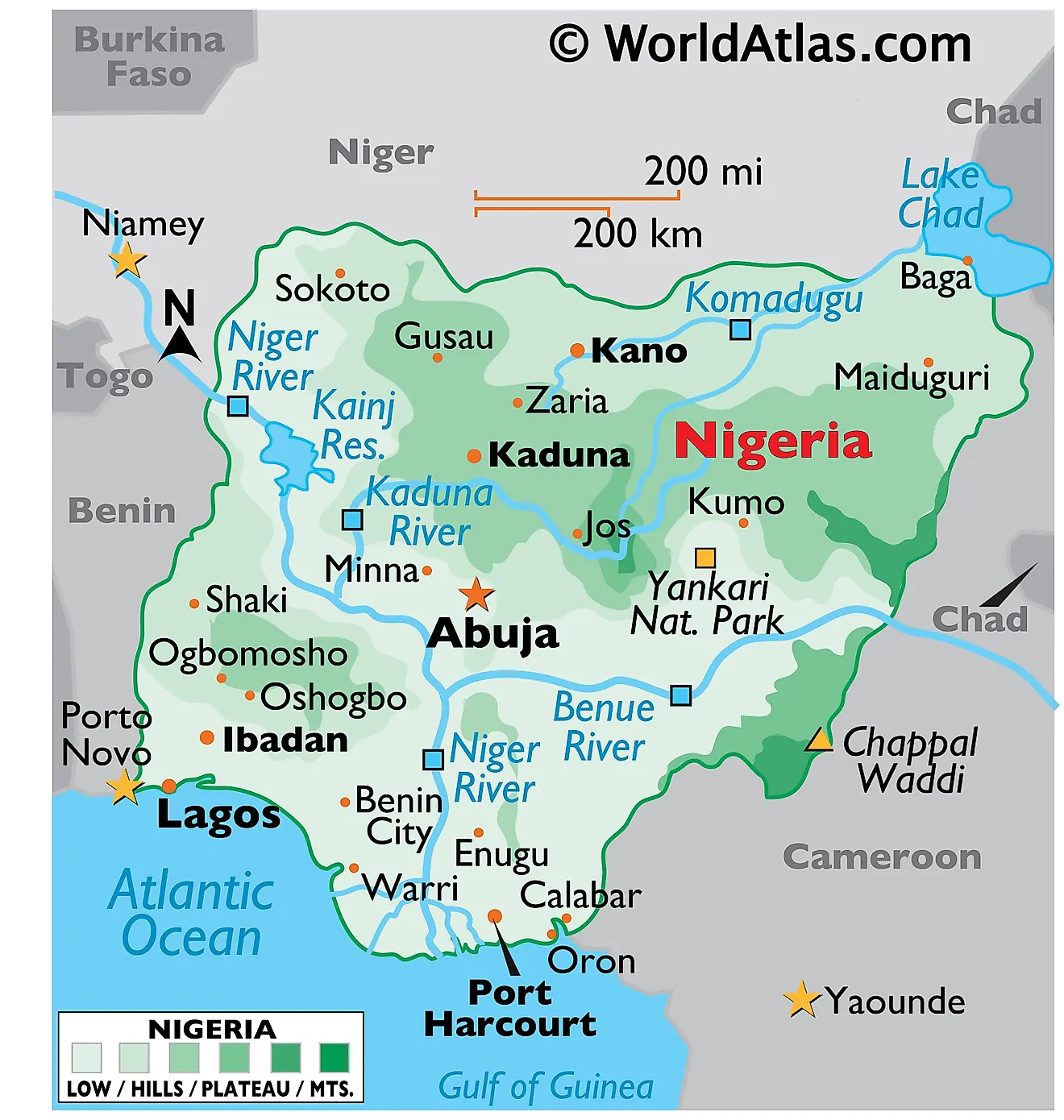
By contrast, the Nigerian Federation, forged by British colonial administrators in 1914 through the amalgamation of the Colony of Lagos with the Protectorates of Northern and Southern Nigeria, has endured for more than a century despite persistent centripetal and centrifugal forces. It remains the only federation in Africa created under colonial rule that has lasted this long.
Other African federations and confederations were short-lived:
– Federation of Rhodesia and Nyasaland (Central African Federation): Established in 1953, comprising Northern Rhodesia (Zambia), Southern Rhodesia (Zimbabwe), and Nyasaland (Malawi). It collapsed in 1963 due to nationalist opposition and racial tensions.
– Senegambia Confederation: Formed in 1982 between Senegal and The Gambia to integrate military and foreign policy. It dissolved in 1989 after only seven years, as Senegal withdrew.
– Mali Federation: Created in 1960 between Senegal and French Sudan (now Mali). It lasted only two months, collapsing in August 1960 when Senegal withdrew.
– French West African federations (including territories such as Burkina Faso, Senegal, and Mali): These were colonial administrative groupings under French rule but disintegrated rapidly as independence movements gained strength in the late 1950s.
– Federation of Ethiopia and Eritrea: Though not colonial in origin, it lasted from 1952 to 1962, ending when Eritrea was annexed by Ethiopia, sparking decades of conflict.
Undoubtedly, the Nigerian Federation has lasted for 114 years, and this endurance suggests that the peoples who make up Nigeria are more integrated than often assumed. It also points to the fact that, although colonialism coalesced diverse groups into one entity, these peoples had long histories of interaction. From the 14th century onward, the tumultuous events triggered by the brutal transatlantic slave trade caused massive migrations across the continent. Communities sought refuge from instability caused by slave raiders from Portugal and Arab traders, creating new polities and forging bonds that would later underpin Nigeria’s resilience as a federation.
Conclusion:
Nigeria’s federation stands as a unique case in Africa: a colonial construct that has endured for more than a century. Its longevity reflects both the challenges and the deep-rooted historical interactions among its peoples, making it a remarkable exception in the continent’s political history.

















Leave a comment