

By Okoi Obono-Obla
The Crisis of International Law in a Fractured World-
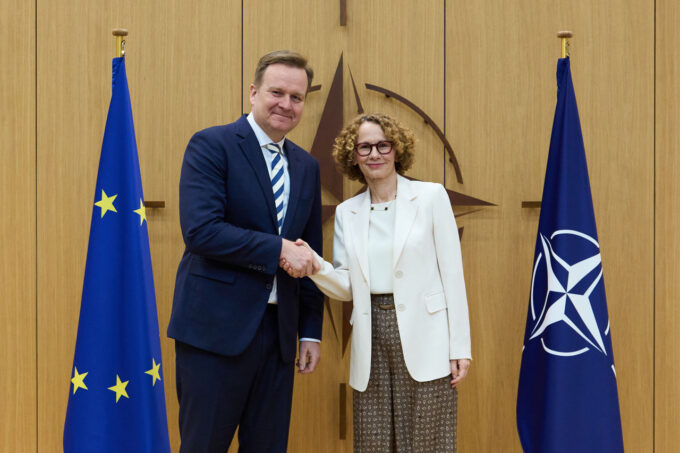
The recent communiqué from the European Union and NATO urging Iran to reopen the Strait of Hormuz struck me as both ironic and troubling. Iran closed the strait to international shipping following the United States and Israeli attack on 28 February 2026, which resulted in the assassination of Supreme Leader Ayatollah Ali Khamenei and several other leaders. His son, Ayatollah Mojtaba Khamenei, was subsequently elected to replace him. The Strait of Hormuz is no ordinary waterway: nearly 20% of the world’s oil and gas supply passes through it. The EU leaders argued that its closure constitutes a breach of international trade law. Yet the larger question remains—do we still have international law at all?
Consider Russia’s unprovoked invasion of Ukraine in February 2022. Despite global condemnation, Moscow annexed parts of Ukrainian territory and continues to rain missiles and drones on civilian cities. International law, supposedly designed to prevent such aggression, has been powerless to stop it.
Or take Israel, which has refused to comply with more than 150 resolutions of the United Nations Security Council and General Assembly on the Palestinian question. The repeated defiance of international consensus raises doubts about whether global rules carry any weight when powerful states choose to ignore them.
The United States, too, has undermined the system. By imposing high tariffs on Mexico, the European Union, Canada, India, China, and others, Washington has acted contrary to the spirit of the General Agreement on Tariffs and Trade (GATT). Its military interventions, from the Caribbean to the Middle East, often justified under the banner of security or anti‑narcotics operations, have left behind questions of sovereignty and legality.
Meanwhile, conflicts between Pakistan and Afghanistan, though less visible on the global stage, continue to destabilize the region. Each of these examples underscores the fragility of a system that claims universality but is applied selectively.
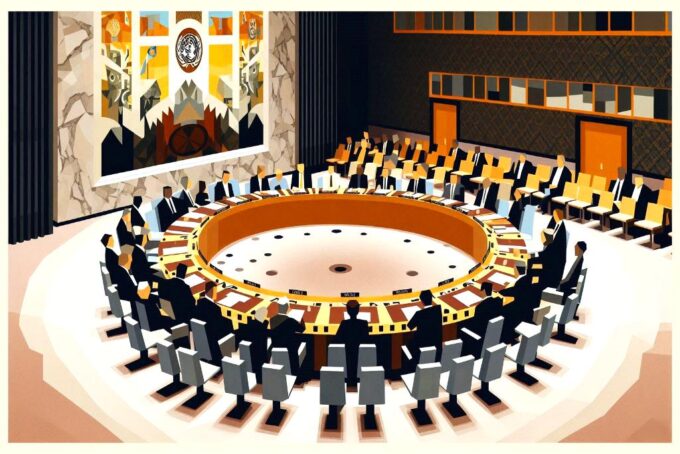
The truth is stark: international law today appears weakened, often wielded by the powerful rather than serving as a neutral framework for justice. The United Nations Security Council remains unreformed, with Africa—the cradle of humanity—excluded from permanent membership. The veto powers of the United States, China, France, the United Kingdom, and Russia perpetuate inequality in global governance.
Moreover, the foundations of international law were laid centuries ago by European powers during eras of colonisation, when most nations in Africa, Asia, and the Americas had no voice in shaping its principles. If the system is to regain legitimacy, it must be rebuilt on inclusivity, fairness, and accountability. Hunger and poverty must be addressed collectively, and all nations—powerful and vulnerable alike—must be treated equally.
Conclusion:
Until international law is reformed to reflect equality and justice, it will remain less a universal covenant and more a tool of convenience for the powerful. The world cannot afford such selective legality in an age of global interdependence.










Leave a comment