

By Okoi Obono-Obla
The Cultural Significance of the Elephant Tusk During the Ekoi (Ugep) New Yam Festival, Leboku
The Yakurr (Yako/Ekoi) people of Cross River State, Nigeria, are among the African groups that practice dual kinship, combining both matrilineal and patrilineal systems within the family. This unique arrangement is also found among the Akan of Ghana and Ivory Coast—who are the largest ethnic group in both countries and speakers of Kwa languages within the Niger-Congo family—as well as the Kwanja of Cameroon, who practice double unilineal or even triple kinship. Kinship networks have long been central to African social life, shaping inheritance, marriage, and social roles. Although their influence has loosened over time, they remain deeply significant.
In 1935, the British anthropologist Professor Cyril Daryll Forde (1902–1973), commissioned by the Colonial Office, conducted anthropological studies of the Yako and Mbembe peoples of the Upper Cross River region. He was assisted by Okoi Arikpo Egede (later Dr. Okoi Arikpo SAN), then a doctoral researcher in anthropology at the University of London. Their findings were published in Yako Studies (1964), where Forde examined in detail the importance of the paternal family, or Kepon, among the Yakurr. He observed that kinship was not merely a matter of descent but a framework for authority, ritual, and identity.

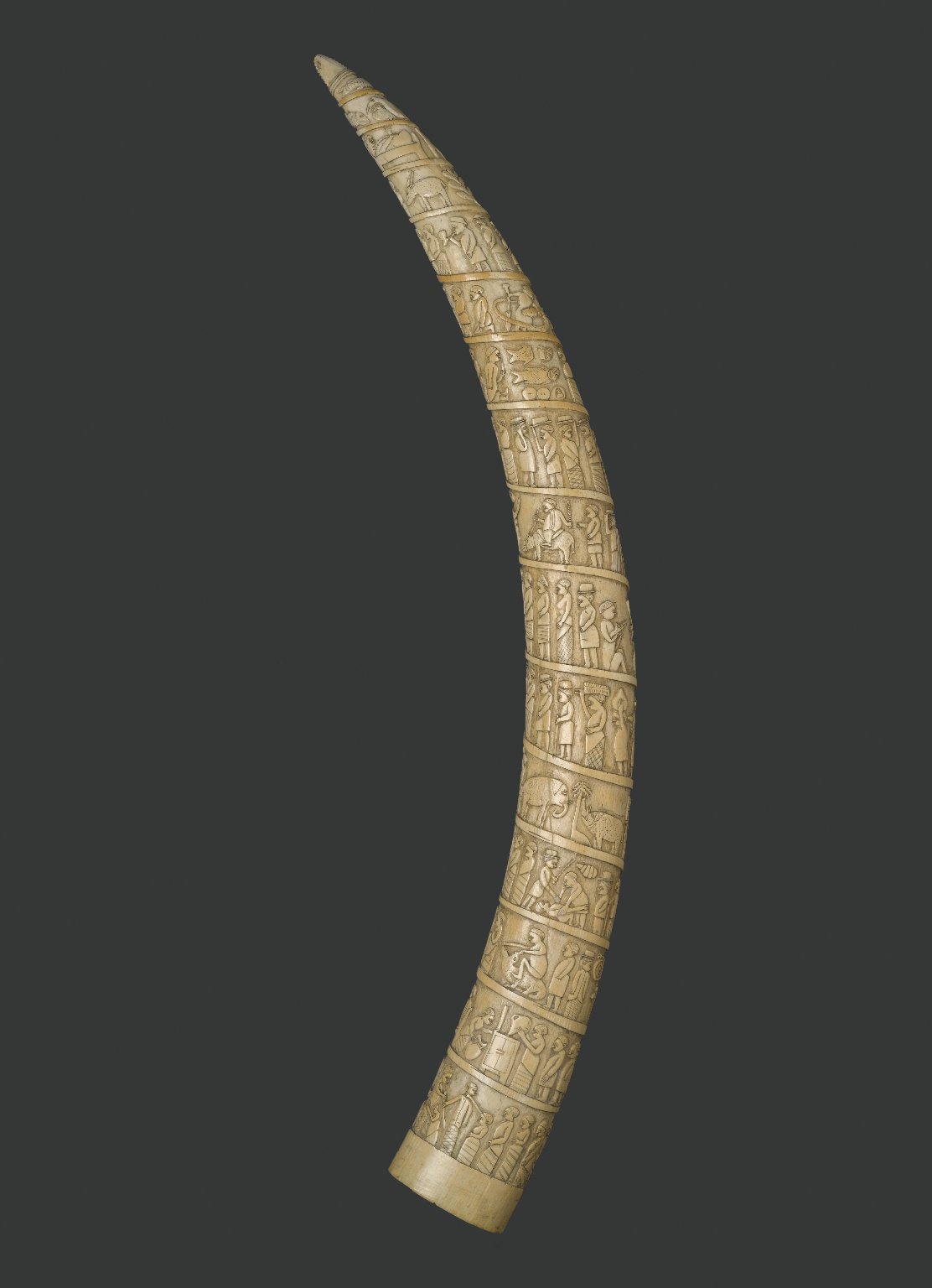
One of the most distinctive symbols of authority in the paternal family is the elephant tusk, known in Yako as lenigha (“tooth of the elephant”). Each Kepon is expected to possess a tusk as part of its treasured property. The lenigha embodies authority, power, and wealth, serving as a visible marker of a clan’s prestige. However, because of its rarity and expense, not all clans own one. As Forde noted, “the possession of ivory was not simply ornamental but a legitimizing token of status and continuity within the paternal line” (Yako Studies, p. 87).
Across Africa, the elephant has long been revered as a symbol of strength, wisdom, and endurance. Its tusks, fashioned into ivory, were prized as nearly indestructible objects—symbols of immortality, power, and divine favor. Ivory was historically reserved for rulers and sacred institutions. Biblical references reinforce this symbolism: palaces adorned with ivory (2 Chronicles 9:21; Psalms 45:8) signified majesty and permanence. In Yako tradition, the elephant (Yonni) and its tusk (lenigha) thus carried both spiritual and social weight.
During the Ekoi (Ugep) New Yam Festival, known as Leboku, the elephant tusk plays a ceremonial role. At the Etangala Cultural Carnival, members of the community blow the tusk to announce virility, strength, and authority. This act is not merely performative but deeply symbolic, linking the masquerade to ancestral power and the enduring vitality of the clan. The sound of the tusk resonates as a proclamation of continuity, echoing Forde’s observation that Yakurr rituals “bind the living to the authority of the paternal line and the enduring symbols of its wealth” (Yako Studies, p. 102).
Conclusion
Thus, for the Yakurr people of Cross River State, Nigeria, the elephant tusk (lenigha) during Leboku is more than an artifact—it is a living emblem of identity, authority, and cultural resilience. It bridges the past and present, affirming the strength of kinship and the enduring values of the community.














Leave a comment