
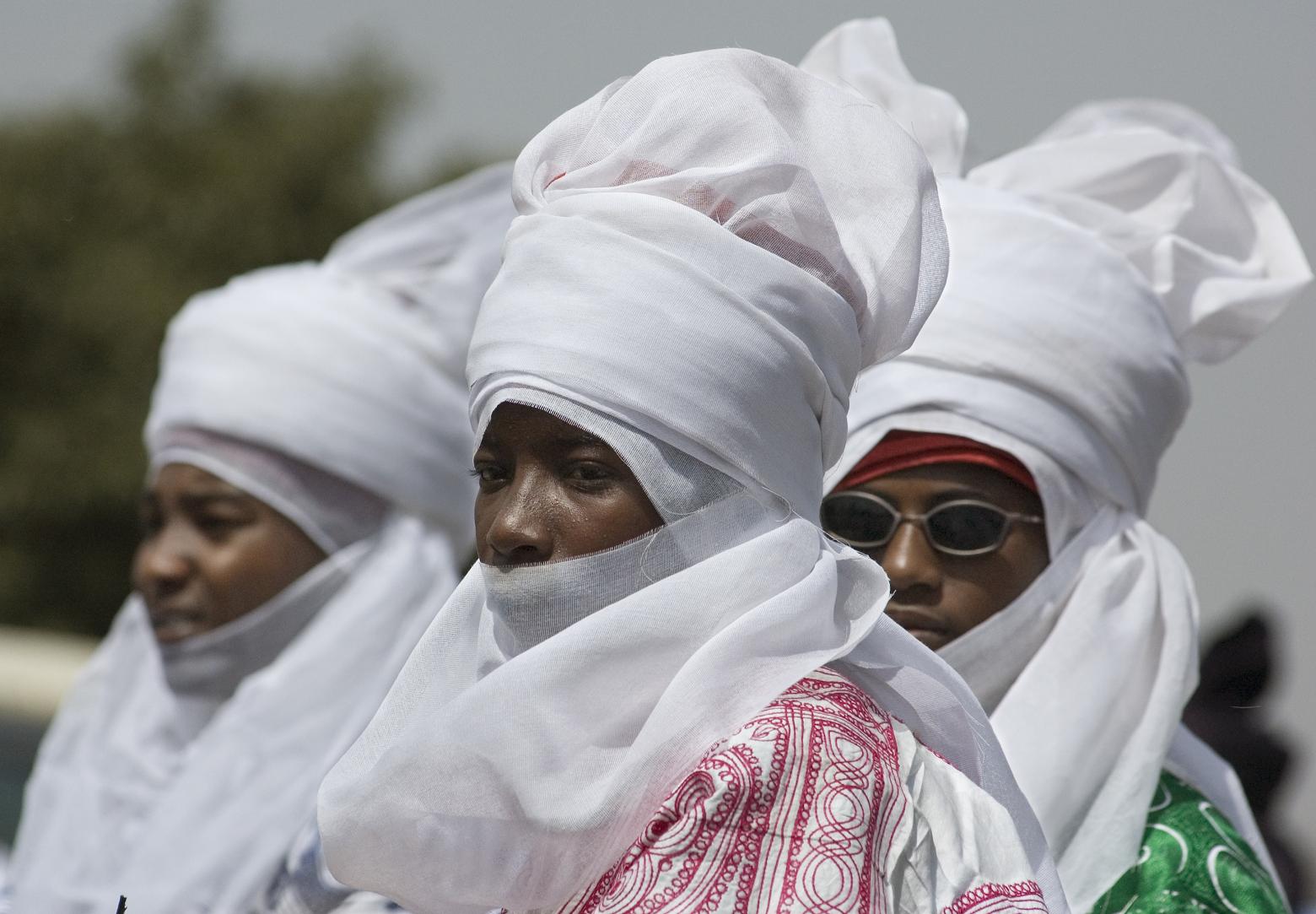

NO PLACE IS SAFE FOR BAHAUSHE
How unreasonable does it sound for a crime mostly committed by Fulani terrorists, often acting on the information supplied by some criminally minded indigene, ends up having Hausawa bearing the brunt?
From my little familiarity with the Southern Nigeria’s terrain, for over a decade. I have keenly observed how Fulani herders, grazing in the South solidly rely on Hausa community closest to them, as their mutual hub and therefore a second home from grazing settlement.
While in the South, I have interacted much enough with two ethnically distinct communities, to realize that, an average Fulani finds Hausa community a comfortable enclave for the guaranteed safety and lingual reconnection.
Even though Hausawa from Hausa land (North West), have no reason to understand or speak Fulfulde. One for historical reasons hardly meets a Fulani herder, that doesn’t understand and speak Hausa language.
Hence the seamlessness for the voice of the Fulani kidnapper to sound Hausa accent, while negotiating ransom with families of their abducted victims.
Imagine a barely literate Hausa man discerning, how intricate this situation becomes for a regionally confined Southerner, to get him easily detached from the culprit?
Are you not the people they always observe speaking Hausa with laughter?
What of the mosque they have been seeing you attending together for Friday prayers, with Hausa as the common language during the sermon?
This dilemma jeopardizes the fate of Hausawa and makes exoneration from Fulani crimes a far-fetched expectation, on the eyes of the Southern communities bedevilled by Fulani terrorists.
I may hardly get it wrong, if I infer that, 95% of Southerners, including those who have never been to the North, can precisely know which language is it spoken, whenever they hear Hausa language being spoken.
But only few can say with certainty, when Fulfulde language is spoken.

Adding to this identification fluidity, an average Southerner therefore sees Bahaushe as a willing tool in the hand of Fulani, with untrusting susceptibility by criminal elements among herdsmen to be aided by Hausa man.
As I read from this report, the residents of the community raise concerns, on how Okada riders, majority of whom are of Hausa stock often resort to sleeping outdoors.
The mass migration of non and semi- educated Hausa youth from our rural areas down South for greener pasture, is not only informed by urbanization, but the raising activities of Fulani terrorists in their home States.
WAY FORWARD
* SHORT TERM INTERVENTION
This calls for a compelling need for educated Hausa youth, with ethnic consciousness, to raise above sectarian schism and push a collective voice, for State and Federal governments to confront Fulani terrorism with political will and unwavering commitment.
* LONG-TERM FRAMEWORK
With wonderfully growing current of Hausa Renaissance movement, we must fast-track our political participation as ethnically conscious Hausawa. No obstacle is worth any procrastinating.
Martin Luther King Jr, Malcolm X, Jesse Jackson, Nelson Mandela etc (of blessed and ever learnable memories), have laid down all the lessons for us, to pick and domesticate from. In fighting an extractive arrangement disguised in religious garment, underpinning ethnic-based economic inequality.
A formidable agenda for mass Education program, targeting the downtrodden Hausa folk, at both City-slum and rural dwelling ones must be prioritized. Considering the potency of both education and ethnic consciousness in equipping the exploited Hausawa, with ability to place adversaries where they belong, no matter how hard the foes try to manipulate religion and our language in furthering their parasitic agenda.
Any political ambition on the part of Hausa activists, without unequal commitment to Education, skilled vocations and social and attitudinal re-engineering of our ethnic brethren is as good as reinforcing the status quo.
®️IBM
















This piece touches on a painful reality many Hausawa are beginning to experience across the country. The tragedy is that ordinary Hausa people are increasingly caught in a situation they neither created nor control. Because the language of many Fulani herders overlaps with Hausa, and because both communities often share mosques and markets, outsiders easily assume they are the same people. That misunderstanding has now turned Bahaushe into a convenient suspect in crimes he did not commit.
But the deeper problem is not just identity confusion, it is the failure of governance. For years, rural communities in the North-West have been under siege from banditry and terrorism, forcing thousands of Hausa youths to migrate to southern cities just to survive. These same youths then become vulnerable to suspicion and hostility in places where they are simply trying to earn a living.
Your call for education and awareness is important, but it must also be accompanied by political courage. The Nigerian state must decisively confront terrorism and criminal networks, regardless of who is involved. At the same time, Hausawa must invest seriously in education, skills, and civic organization so that their voice in national conversations is not defined only by crisis.
The Hausa renaissance you mentioned cannot succeed without confronting both internal weaknesses and external manipulations. Only then can Bahaushe move from being a misunderstood victim of circumstances to a confident contributor to Nigeria’s future.