

Rotational Presidency and the Realities of Nigerian Politics:
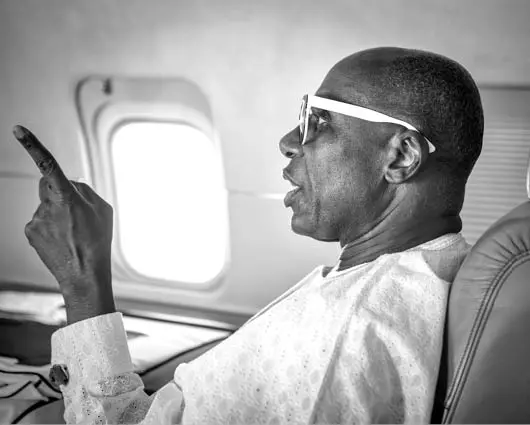
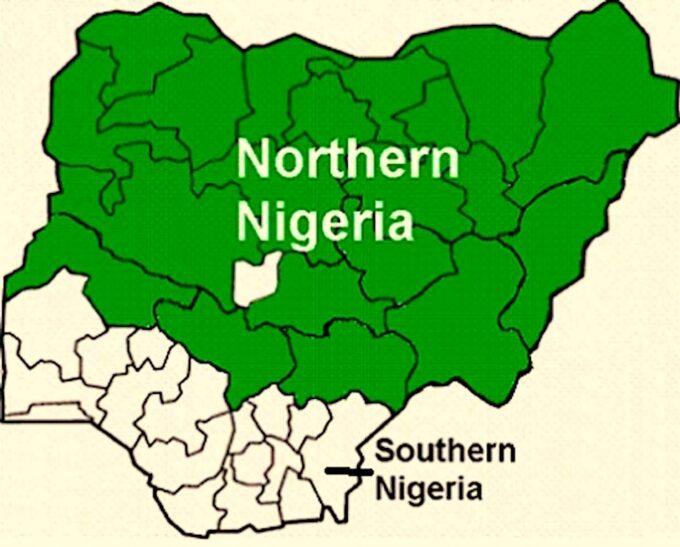
The position taken by Rt. Honourable Rotimi Amaechi—that if the ADC does not zone its presidential nomination ticket exclusively to Southern Nigeria, it would be a hard sell for Southerners to accept a candidate from Northern Nigeria—is realistic and reflects the truth of the matter. The rotation of the Nigerian presidency between North and South has served as an antidote to national instability, ensuring that no section of the country feels excluded from power, which could otherwise have disastrous consequences for national cohesion.
However, I do not subscribe to Amaechi’s assertion that if elected President he would serve only one term and then allow the North to take its turn. This is unrealistic and a political gambit that any serious observer should take with a pinch of salt. It is doubtful that an ambitious politician would voluntarily serve for only one term and then relinquish power under a nebulous agreement that some might even argue is unconstitutional.
We are living witnesses to what President Goodluck Jonathan did in 2015. He was Vice President to President Umaru Musa Yar’Adua, who was elected in 2007 under the PDP platform, largely because it was the turn of Northern Nigeria after President Olusegun Obasanjo had served from 1999 to 2007. After President Yar’Adua’s death on 5 May 2010, Jonathan succeeded him to complete the first term. Instead of accepting that he was not eligible under the rotational principle embedded in the PDP Constitution in 2015, he contested for the presidential nomination ticket of the PDP, which he convincingly won, relying on the power of incumbency—a decisive factor in Nigerian politics. This underscores the point that politicians are often seduced by the aura of power once they find themselves in office, and they conveniently forget or breach any agreement they may have entered into when seeking power.
Presently, Nigeria has a President from Southern Nigeria who is performing creditably despite the difficult circumstances he inherited in May 2023. It would be more beneficial if leaders like Rt. Amaechi rallied around him rather than entering into unenforceable political agreements that are impossible to comply with and may become sources of instability and friction in the future.
Conclusion:
While rotational presidency remains a stabilizing mechanism in Nigeria’s political landscape, promises of single‑term service are impractical and unenforceable. The focus should be on supporting the current leadership and strengthening institutions rather than relying on fragile political bargains.
@ Okoi Obono-Obla















Leave a comment