


By Okoi Obono-Obla
On 28 February 2026, the world was stunned when military aircraft from the United States and Israel carried out strikes in Tehran, the capital of Iran. The attacks resulted in the deaths of several Iranian civilians and military leaders, including Supreme Leader Ayatollah Ali Khamenei. This sudden escalation occurred despite a diplomatic initiative brokered by Qatar, which had aimed to bring the United States, Israel, and Iran to the negotiating table. The unexpected outbreak of war sent shockwaves across the globe.
Economic Consequences:
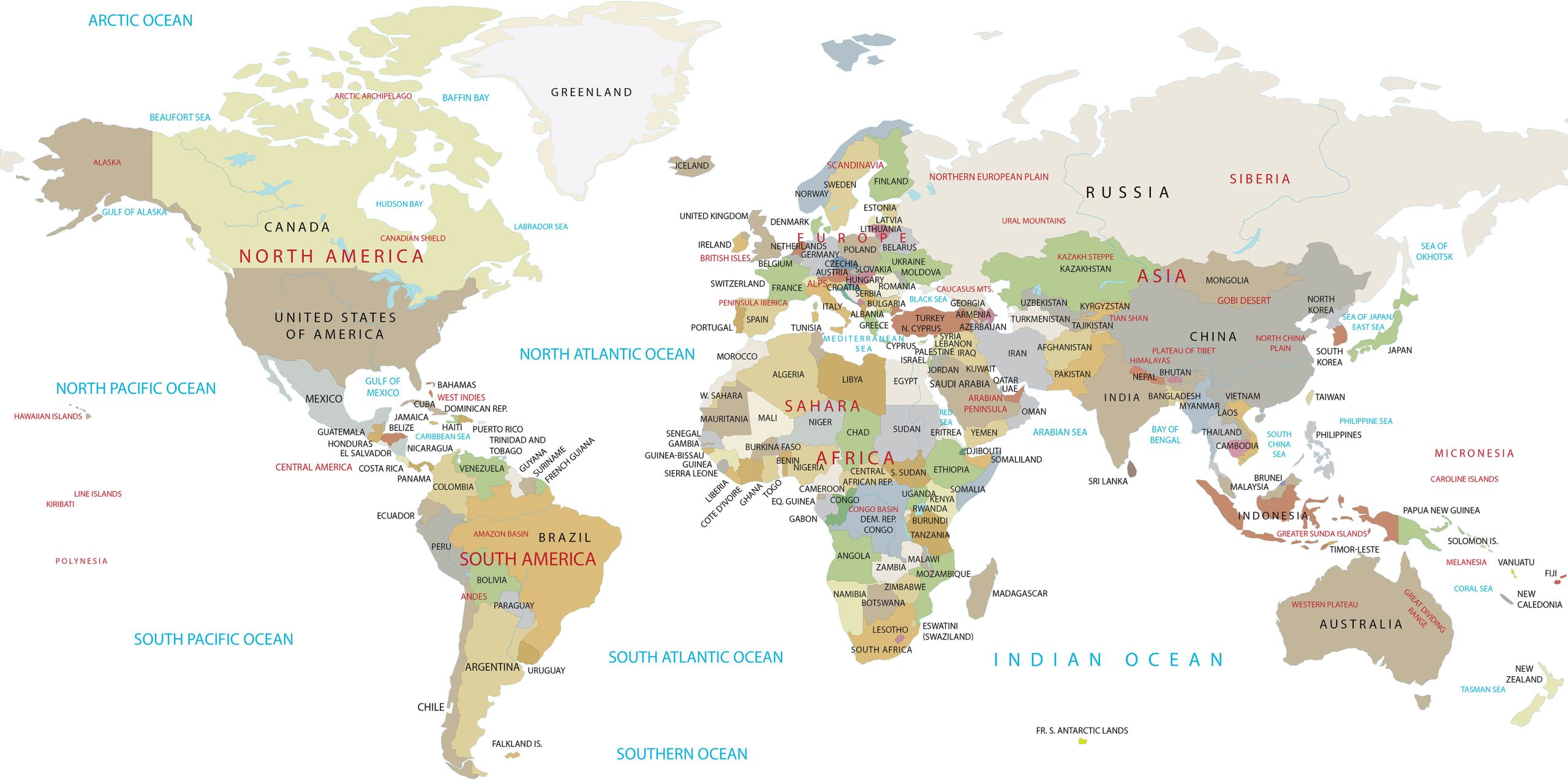
One of the most immediate and profound consequences of the conflict was its impact on global oil and gas prices. The closure of the Strait of Hormuz, a critical chokepoint through which about 20% of the world’s oil and gas supply passes, triggered unprecedented inflationary trends worldwide. Oil prices soared to their highest levels in over a decade, underscoring the interconnectedness of global trade, commerce, and financial systems. Countries across all continents, including Africa, felt the economic strain.

Africa’s Vulnerability:
Africa, geographically close to the Middle East, has not been spared from the war’s ripple effects. Nigeria and other African nations experienced sharp increases in oil and gas prices, highlighting the continent’s exposure to global energy markets. The Horn of Africa, particularly Eritrea and Djibouti, faced heightened risks due to their proximity to the Bab el-Mandeb Strait. This strategic waterway connects the Mediterranean Sea to the Indian Ocean, and at one point, Iran threatened to collaborate with its allies—the Houthi rebels in Yemen—to block the strait, a move that could have had dire consequences for international trade.
Strategic Implications:
The war has demonstrated that no region is immune to the consequences of geopolitical conflicts. Africa’s experience underscores the reality that the world is interlocked, interlinked, and interconnected. The closure of vital maritime routes and the volatility of energy prices reveal the fragility of global systems when confronted with sudden shocks.
Conclusion:
The February 2026 war between the United States, Israel, and Iran has reshaped global dynamics, with Africa bearing significant economic and strategic burdens. The conflict serves as a stark reminder of the delicate balance of international relations and the far-reaching consequences of instability in the Middle East.










I am greatly honored by the recognition, profiling and endorsement of High Chief Okoi Obono Obla, Former Security Adviser to Late President Muhammadu Buhari, former President of the Federal Republic of Nigeria.
Thank you Chief.