


By Okoi Obono-Obla
Rethinking State Creation in Nigeria: A Critique of Ayo Akinfe’s Proposal
In his article, Ayo Akinfe proposed the creation of 42 states in Nigeria, with the condition that each new state must demonstrate the capacity to generate at least $1 billion in revenue to sustain itself. While the proposal is ambitious and thought‑provoking, certain aspects raise historical and structural concerns.
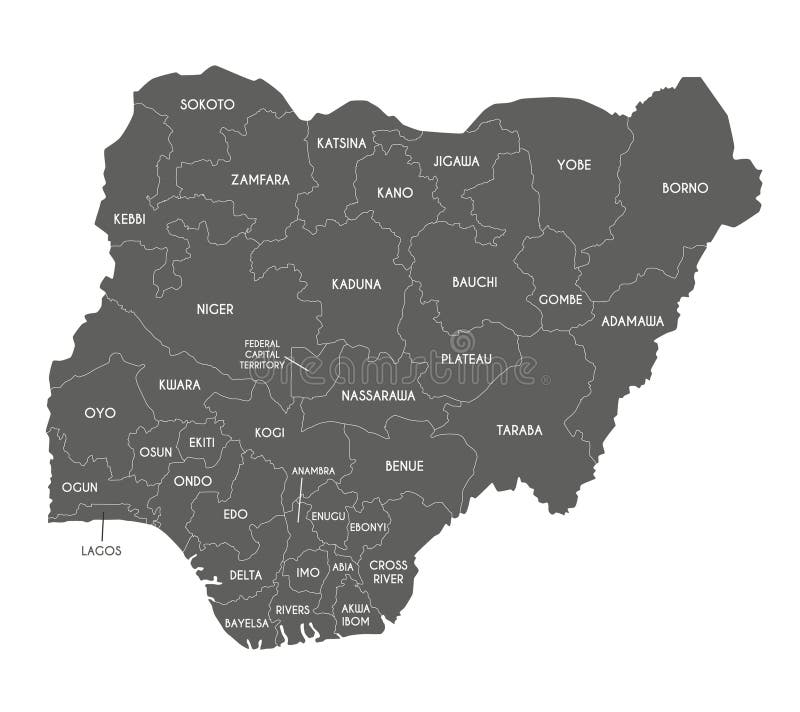
To begin with, there was never an Annang Province in the defunct Eastern Region of Nigeria. The provinces in what are today Cross River, Akwa Ibom, Bayelsa, and Rivers States were Calabar, Ogoja, and Rivers. The Annang people were grouped under Calabar Province. It is therefore surprising that Akinfe did not advocate for the creation of Ogoja State, given that Ogoja Province remains one of the few colonial‑era provinces not elevated to statehood. Instead, he proposed the creation of Western Ijaw State.
Equally puzzling is his suggestion to move the proposed Orashi and Anioma States from the South‑South geopolitical zone to the South‑East, on the grounds of what he terms “Igboid” identity. This overlooks the strong resistance such a move would generate among the people of Orashi and Anioma, many of whom have already rejected inclusion in the South‑East geopolitical zone.
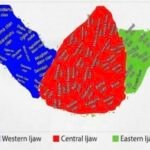
Furthermore, Akinfe’s advocacy for a Western Ijaw State carved out of the defunct Mid‑Western Region would bring the total number of states from that region to three—just one less than the four states projected to emerge from the defunct Eastern Region. This appears inequitable, considering that the Calabar and Ogoja provinces are larger and more populous than the Mid‑Western Region. Historically, they were denied statehood when the Mid‑Western Region was created by an Act of Parliament, largely because the Eastern Nigeria Government under the NCNC opposed the creation of the Calabar‑Ogoja‑Rivers Region. In contrast, the Mid‑Western Region succeeded due to support from the Federal Government under Sir Abubakar Tafawa Balewa.
The Mid‑Western Region itself was created from the Benin and Warri Provinces. By contrast, the defunct Eastern Region comprised seven provinces: Calabar, Cameroons (under British mandate), Ogoja, Onitsha, Owerri, and Rivers. Orashi is part of the old Rivers Province, while Anioma belongs to the Benin Province. It is therefore questionable why small fragments of the old Rivers and Benin Provinces should be carved into Orashi and Anioma States, while Ogoja—once a whole province—remains excluded from Akinfe’s proposal.
These historical provinces were established in 1945 at the inception of Nigeria’s regional constitutional structure, introduced under the Arthur Richards Constitution. Any proposal for new states must therefore take into account these historical realities to ensure fairness and balance.
Conclusion:
While Akinfe’s proposal is innovative, it risks overlooking historical realities and regional sensitivities. A more balanced approach would ensure that neglected provinces such as Ogoja are considered, while avoiding geopolitical reassignments that could provoke resistance and deepen divisions.






Great insights on the historical inaccuracies in Ayo Akinfe’s proposal—especially the confusion around Calabar Province and the Annang people. It’s concerning that Ogoja Province, which was a distinct colonial administrative unit, was overlooked in favor of a less historically grounded state creation plan. This kind of critique is essential for ensuring that any future discussions on federal restructuring are rooted in accurate historical and administrative understanding.
The historical correction regarding the Annang people and the oversight of Ogoja Province really highlights how crucial accuracy is when discussing these structural proposals. Ayo Akinfe’s revenue threshold is an interesting metric, but without addressing the legacy administrative boundaries like the defunct Calabar and Rivers provinces, it risks creating new imbalances rather than solving the old ones.
The historical correction regarding the Calabar Province’s composition rather than a nonexistent Annang Province is a crucial point that significantly changes the perspective on Ayo Akinfe’s proposal. It raises an interesting question about why the focus remains on Western Ijaw and Orashi while seemingly overlooking the historical validity of Ogoja as a precursor to a new state.
Why did you the good people of Ogoja Province fail to get your state created in 1987 when Ibrahim Babangida decided to split Cross River State into two. By allowing IBB to create Akwa Ibom State instead of Ogoja State, you dropped the ball big time.
I would have thought that you would have told him that the Efik, Ibibio and Annang can stay in one state, while those of you from northern Cross River State have your own Ogoja State. Maybe this state will contain everywhere north of Ikom, including urban centres like Obudu, with Ogoja as your capital.
That, however, then raises the question about which geo-political zone you should be in. A man from Ogoja or Obudu is more of a middle belters in my opoinion.
Ayo Akinfe