By Okoi Obono-Obla
The Liberation of Calabar and the Administration of the South Eastern State (1967–1968)-
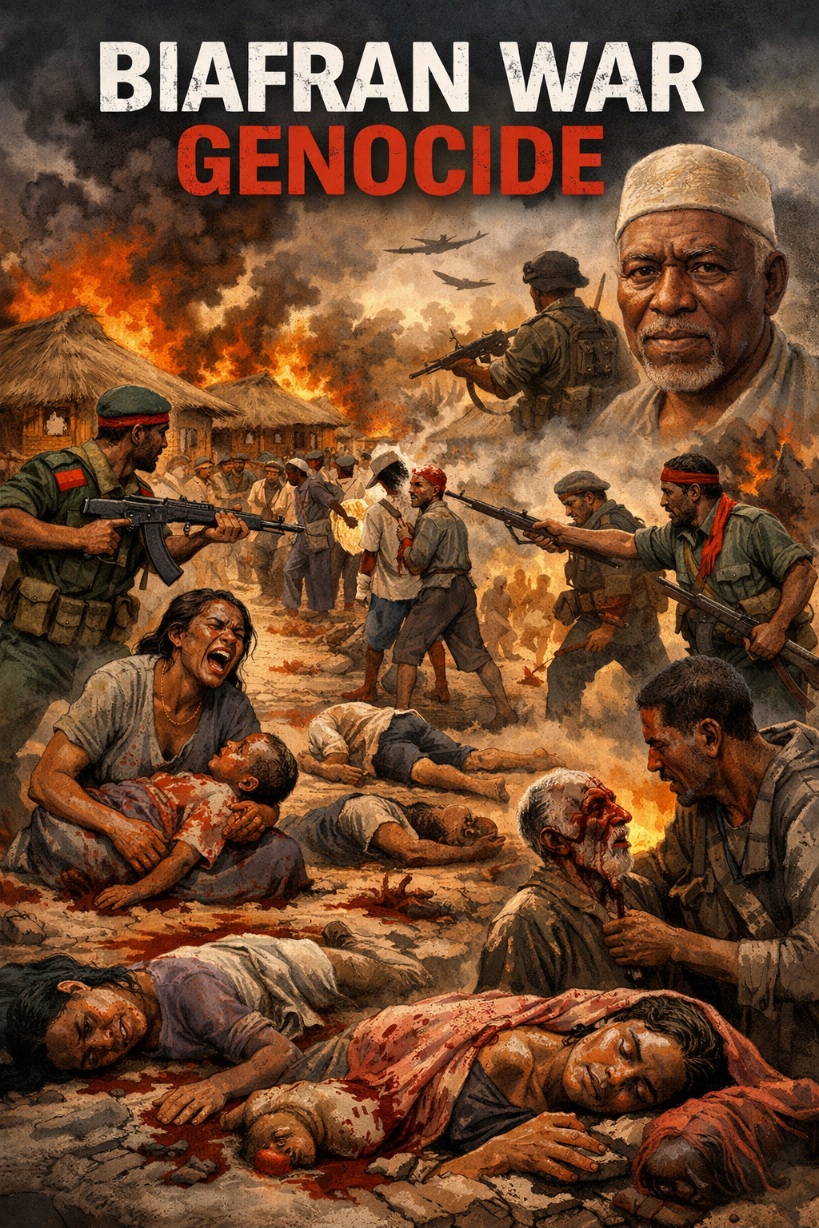
After the creation of the defunct South Eastern State (comprising present‑day Akwa Ibom and Cross River States) from the defunct Eastern Region of Nigeria on 27 May 1967, the capital city was temporarily located in Ogoja. This arrangement was necessary because Calabar, the designated capital, had been occupied by the Biafran Army during the Nigerian Civil War.
In January 1968, the Federal Nigerian Army, under the 3rd Marine Commando Division commanded by Brigadier Benjamin Adekunle (popularly known as the “Black Scorpion”), in collaboration with other Nigerian forces, successfully liberated Calabar from Biafran control.
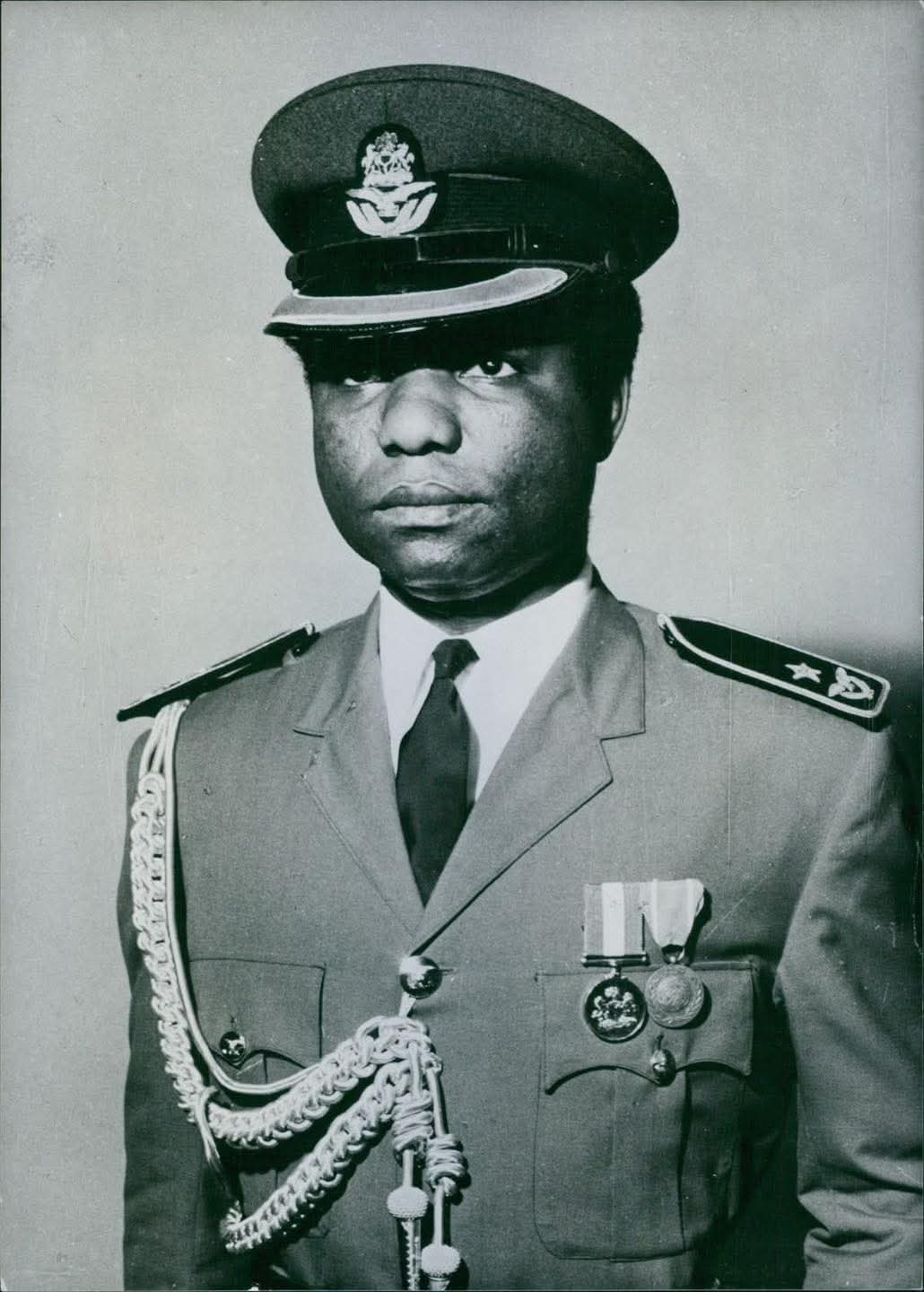
Following this liberation, the Military Governor of the South Eastern State, Brigadier General Jacob Udoakaha Esuene, returned from Lagos to formally assume leadership of the state. He took over from the Sole Administrator, Chief Michael Ani (1917–1985), a veteran civil servant who had governed the South Eastern State from 1967 to 1968 in Ogoja due to the occupation of Calabar by Biafran troops.
Chief Ani’s career extended beyond this wartime role. Earlier, he had been appointed a Commissioner by the Military Head of State, General Johnson Aguiyi‑Ironsi, to head a committee reviewing the unification of the Civil Service after the promulgation of a military decree that abolished federalism and regionalism in Nigeria, introducing instead a unitary system of government. Later, Chief Ani was appointed Chairman of the Federal Electoral Commission of Nigeria (FEDECO), which conducted the landmark general elections of 1979. These elections ushered in democratic civil rule after 13 years of military interregnum, marking a pivotal moment in Nigeria’s political history.