
By Okoi Obono-Obla
ADC’s Factional Crisis and the Legal Quagmire of Dual Conventions:
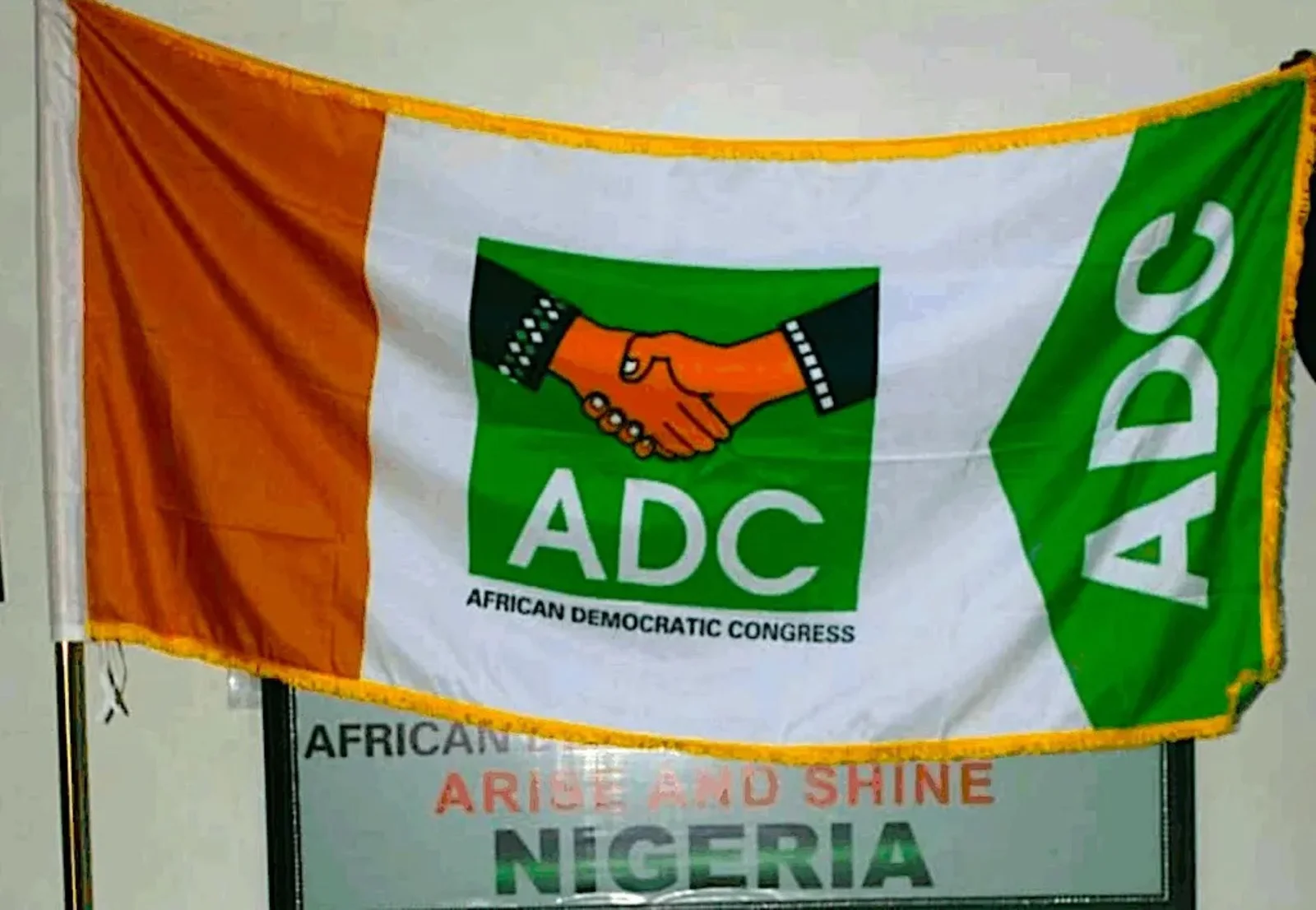
Some of us have been discussing our fear that the African Democratic Congress (ADC) is embroiled in an intractable crisis that has sharply divided the party into two irreconcilable factions: the Senator David Mark faction and the Nafiu Bala Gombe faction. This division has now blown open, as both factions have announced different dates for their national conventions. The Senator David Mark faction has scheduled its convention for 14 April 2026, while the Nafiu Bala Gombe faction has fixed its own for 3–5 April 2026.
This development starkly highlights the catastrophic crisis that began when the Senator David Mark group moved into the ADC and displaced those who had been running the party. The Nafiu Bala Gombe faction, previously in control, reacted by filing an action in the Federal High Court, Abuja, against the Senator David Mark group, whom they dismissed as usurpers. That case is still pending.

The implications of these two factions holding separate national conventions to elect national officers are profound. Confusion would begin with the Independent National Electoral Commission (INEC), as both factions, in compliance with the Electoral Act 2026, would serve different notifications for their conventions.
– Section 82(1) requires every registered political party to give INEC at least 21 days’ notice of any convention, congress, or meeting convened to elect officers or nominate candidates.
– Section 82(2) mandates that the notice specify the date, time, venue, and names of the organizing committee members as outlined in the party’s constitution.
– Section 82(3) empowers INEC to attend and observe such conventions or congresses.
– Section 82(6) provides that failure to notify INEC renders the primaries, conventions, or congresses invalid.
Thus, when a political party submits two conflicting notifications—different dates, venues, and signatories—it creates a recipe for confusion and places INEC in a difficult position. INEC may attempt to maintain neutrality by ignoring both notifications, but this risks invalidating the conventions altogether.
Legal Consequences of Dual Notifications
If the ADC submits two separate notifications to INEC for national conventions:
– INEC may refuse to recognize either faction until the court resolves the leadership dispute.
– Any convention held without INEC’s recognition or attendance could be declared invalid under Section 82(6).
– This could lead to the party being unable to validly elect national, state, ward, or local government officers, thereby crippling its organizational structure.
– Ultimately, the ADC risks exclusion from participating in future elections if its internal crisis remains unresolved.
Conclusion:
The so called coalitionists that hijacked the ADC’s structure must bear responsibility for the conundrum in which the party now finds itself. Instead of patiently building a new political party, they sought an easy takeover, and the consequences of this shortcut are now evident. Unless the courts or INEC intervene decisively, the ADC faces the danger of political paralysis and possible disqualification from electoral processes.